Stop sanding defects before they show up after clear coat
A controlled sanding workflow that reduces contamination, shortens sanding time and helps your shop produce cleaner, more consistent finishes with less rework.
Most sanding rework does not start with the abrasive alone. It starts with dust, static and surface contamination that stay invisible until the repair is already painted. This workflow shows you exactly where control is lost — and how to get it back.
Dust is not the hidden cost. Rework is.
In many bodyshops, dust is treated as part of the job. The problem is that it does not stay in one place. It moves through preparation, sanding and final cleaning, then shows up later as dirt inclusions, scratch issues, extra polishing and lost time.
- Panels can look clean during prep, then show defects after clear coat.
- Dust returns even after wiping the surface down.
- Abrasives load up and stop cutting consistently.
- Finishing and polishing take longer than expected.
- Small corrections keep stealing capacity from the next job.
This is not just a sanding issue. It is a process control issue.
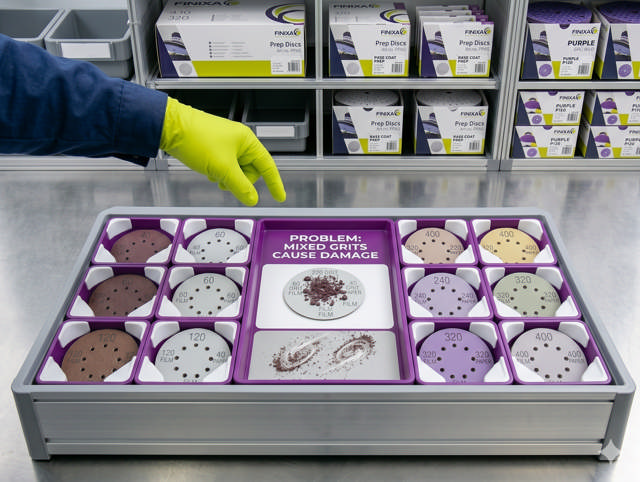
The 3 layers that determine a cleaner, more repeatable sanding result
Every avoidable sanding defect starts in one of these three layers. When one layer fails, the next one has to compensate.
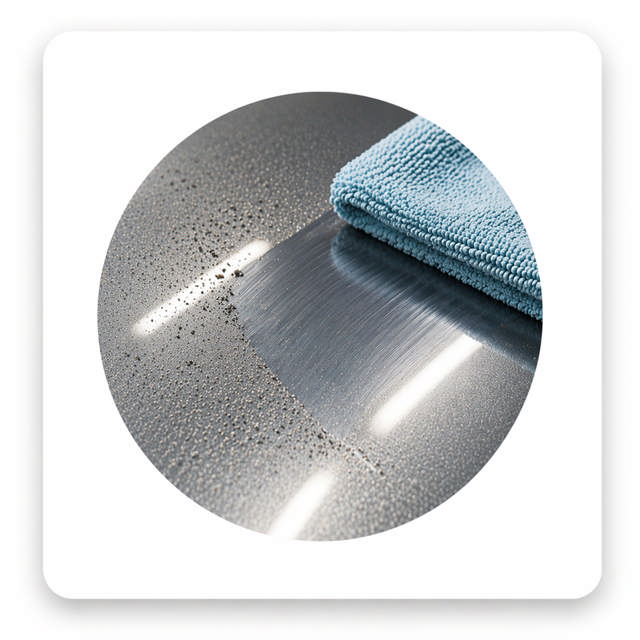
1. Surface preparation
Clean, degrease and neutralise static before sanding begins.
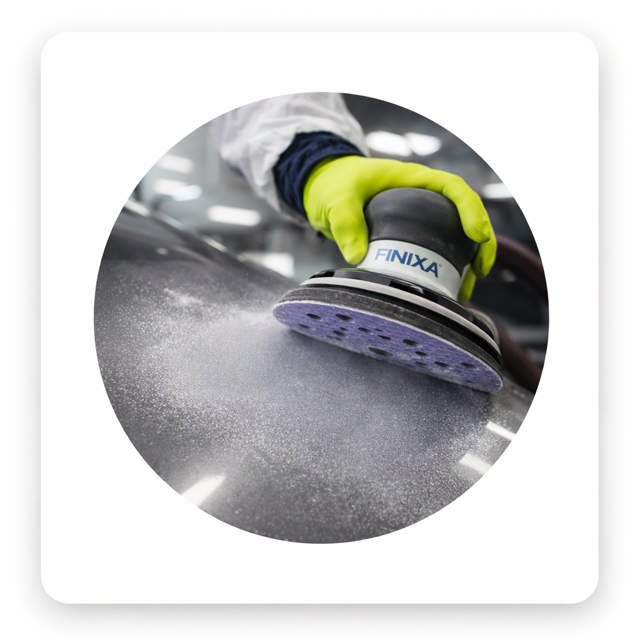
2. Sanding system
Cut and refine the surface consistently without creating avoidable defects.
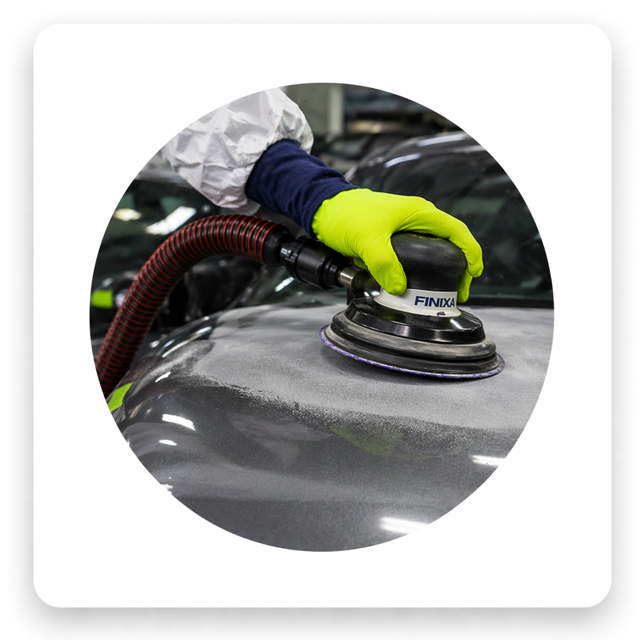
3. Dust extraction
Capture particles at source before they spread across the panel and workspace.
Surface preparation is where rework is won or lost
If the surface is not clean, stable and anti-static, every next step becomes compensation.
Grease, silicone, fingerprints and static turn the panel into a dust magnet. Once sanding starts, that contamination spreads across the surface and increases the risk of adhesion issues, dirt inclusions and unnecessary rework.
- Improves sanding consistency
- Reduces dust attraction
- Lowers the risk of defects showing after paint
- Creates a cleaner base for coating
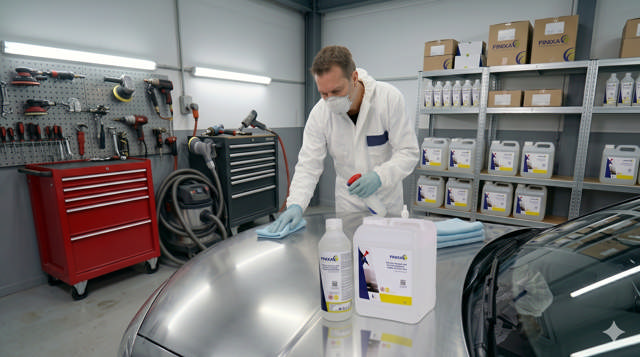
Start with one non-negotiable step
Clean, degrease and neutralise static before sanding. This removes contamination that repels paint and prevents airborne dust from being pulled back onto the panel.
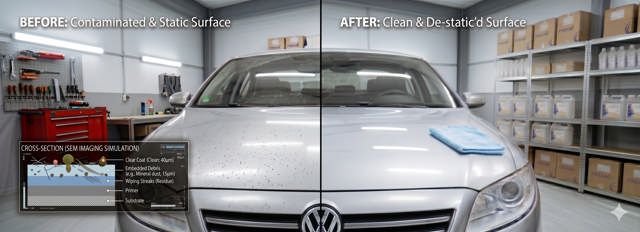

The preparation products behind this step
Silicone Remover & Surface Degreaser (DGRHC)
Removes silicone, grease, wax, fingerprints and sanding residue before they become fisheyes, adhesion issues or dust-related rework.
- Removes surface contamination before sanding starts
- Anti-static formula helps reduce dust attraction
- Compatible with waterborne and solvent systems
- Leaves the surface clean and ready for the next step
TAK 20-30 Anti-static Tack Rags
Lifts remaining dust before coating without redistributing contamination, helping keep the surface clean right up to application.
- Removes fine residual dust safely
- Anti-static behaviour helps reduce recontamination
- Leaves no residue on the surface
- Suitable for final preparation before coating
A controlled sanding process starts before the abrasive touches the panel.
The proven sanding workflow, step by step
High-performing bodyshops do not rely on individual technique alone. They standardise the process.
1. Prepare the surface
Clean the panel with silicone remover and a lint-free cloth so contamination is removed before it becomes a defect.
2. Fast cut with SPDI
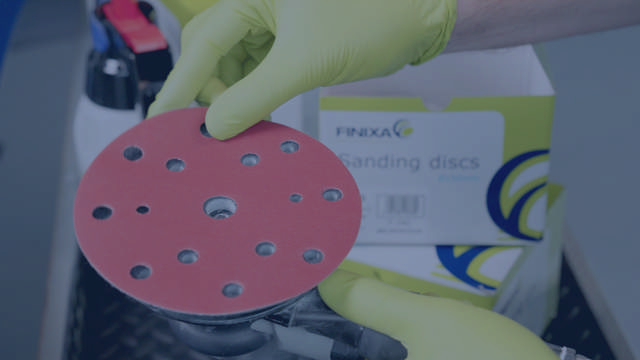
Use SPDI ceramic discs for controlled material removal, reduced clogging and faster cutting.
3. Keep dust under control during sanding
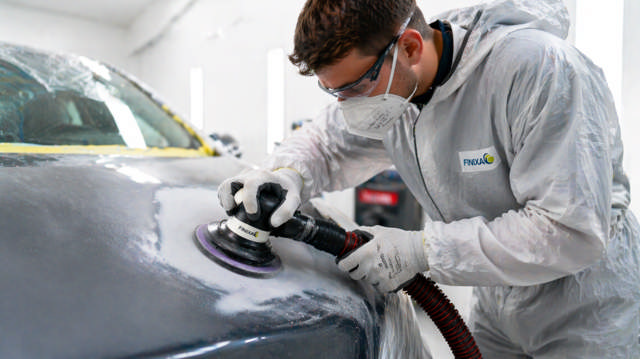
Connect the tool to extraction so particles are removed as they are created, not after they have already spread across the panel.
4. Refine with PPAS
Reduce multiple sanding stages into a more efficient refinement step while improving finish consistency.
5. Final clean before coating
Remove residual particles and stabilise the surface so paint is applied to a cleaner, more controlled base.
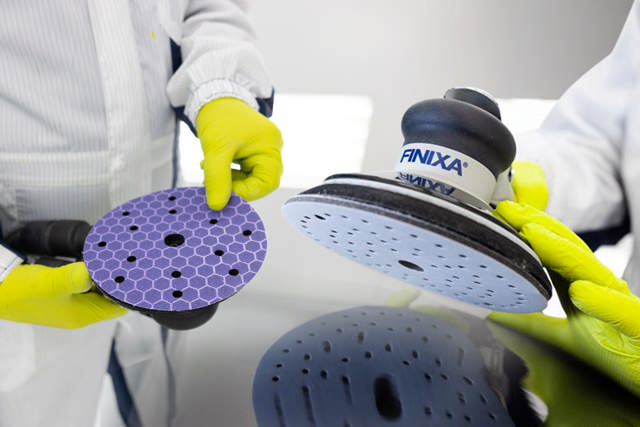
Without a structured workflow, results vary by technician, contamination returns and polishing time grows. With a structured workflow, sanding becomes predictable, controlled and repeatable.
What an uncontrolled sanding process leaves behind
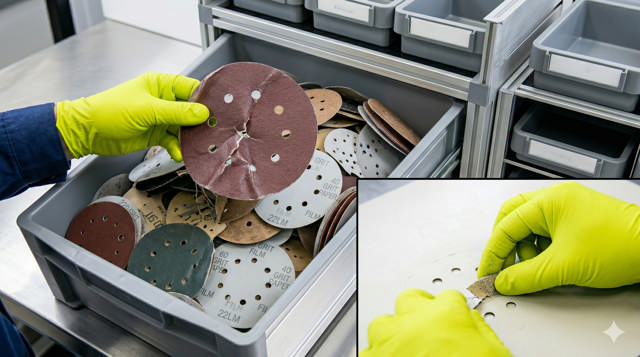
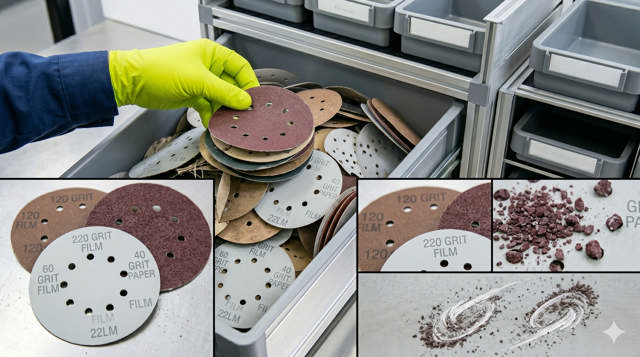
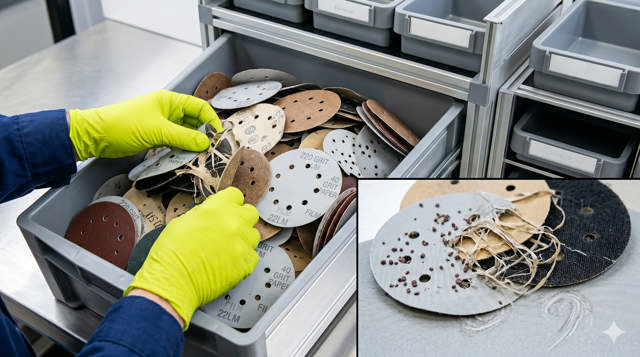
Dirt nibs, pigtails, loaded abrasives and inconsistent scratch profiles are not random defects. They are signs that one part of the process is forcing another part to compensate.
Poczuj różnicę!
Skontaktuj się z nami lub zamów prezentację już dziś i przekonaj się, jak system dwuetapowy Finixa może zmienić przebieg Twojej pracy.
Remove dust at source before it becomes finishing work
Without proper extraction, even good abrasives and good technique lose consistency.
Dust does not stay where you sand. It spreads across the repair area, drops back onto cleaned surfaces and keeps clogging the abrasive. That means slower cutting, less predictable scratch refinement and more time spent correcting defects later.
- Dust spreads across the entire repair area during sanding
- Recontamination starts immediately if dust is not captured at source
- Clogging reduces cut rate and makes the sanding pattern less predictable
- Cleaner extraction means less clean-up, less polishing and less wasted abrasive
High-performance bodyshops do not manage dust after the fact. They remove it at source.
.png&width=640&format=webp)
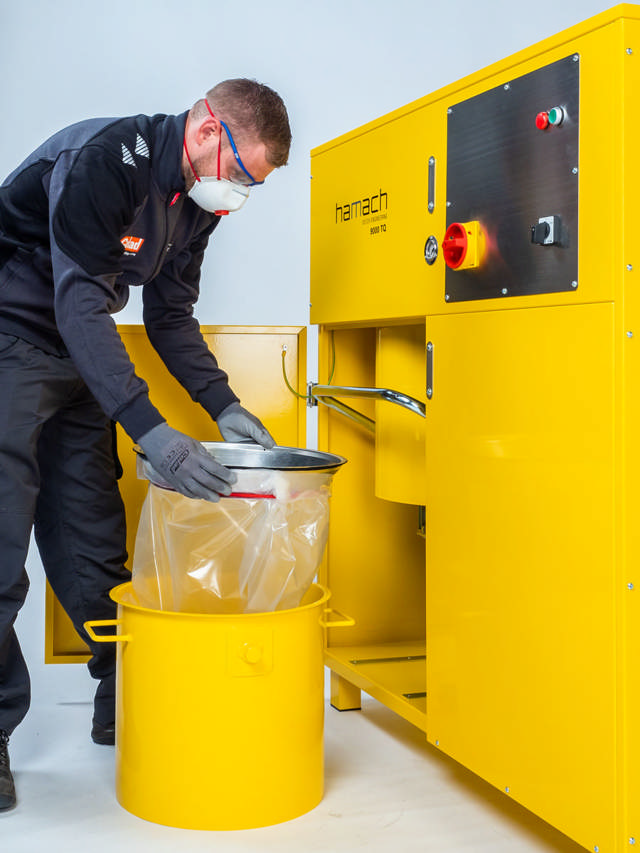
Industrial dust extraction is the backbone of the system
Hamach HCV 5000 TQ: Engineered for continuous dust control in high-throughput bodyshops where airflow, uptime and consistency matter.
- Supports multiple sanding tools without a drop in performance
- Built for continuous, high-volume operation
- Maintains strong airflow across larger workshop setups
- Automatic filter cleaning helps keep suction stable and downtime low
This is not just a machine. It is infrastructure for a controlled sanding process.
See how the workflow reduces rework in real shop conditions
Watch the full sequence from preparation to final cleaning and focus on the details that matter: surface prep, tool setup, dust capture and scratch refinement. This is what a controlled sanding process looks like in practice. The next question is what it is worth in your shop.
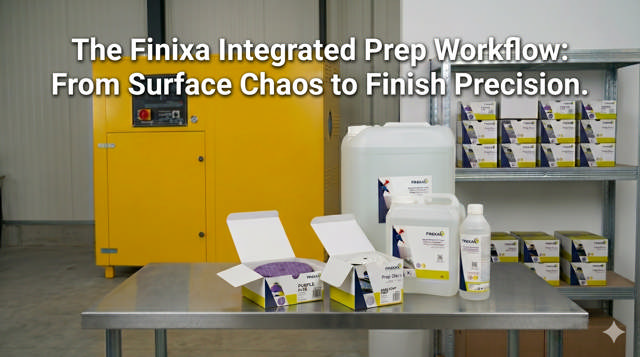
This is what a controlled sanding process looks like in practice. The next question is what it is worth in your shop.
What inefficient sanding is really costing your shop
Rework rarely appears as one big cost. It hides in extra prep, slower polishing, repeated cleaning and lost capacity across the week. Use the calculator to estimate the time and labour you can recover when sanding becomes more controlled and repeatable.
Estimate your time and labour savings
Based on your current repair volume, your process assumptions.
Based on Finixa 2-Step System vs. traditional sanding, calculated over 240 working days.
The complete system behind a controlled sanding process
Cleaner sanding is not one product. It is the alignment of preparation, abrasives, extraction and final-cleaning tools into one repeatable process.
Each component has a specific role in reducing rework and improving consistency.
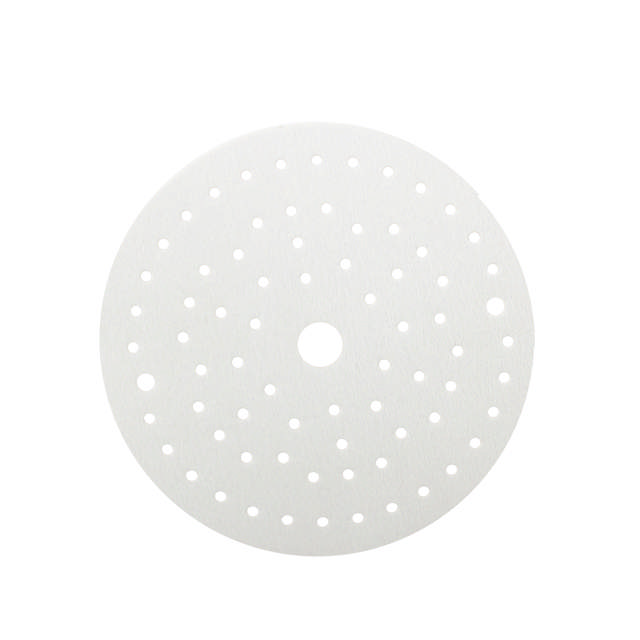
Paint Preparation Abrasive System
Refines the surface and combines multiple sanding stages into one controlled pass, reducing process time while improving finish quality.

Abrasive Purple Discs - Ceramic
Delivers fast, controlled cut with optimised dust extraction, helping reduce clogging and maintain a more consistent scratch pattern.
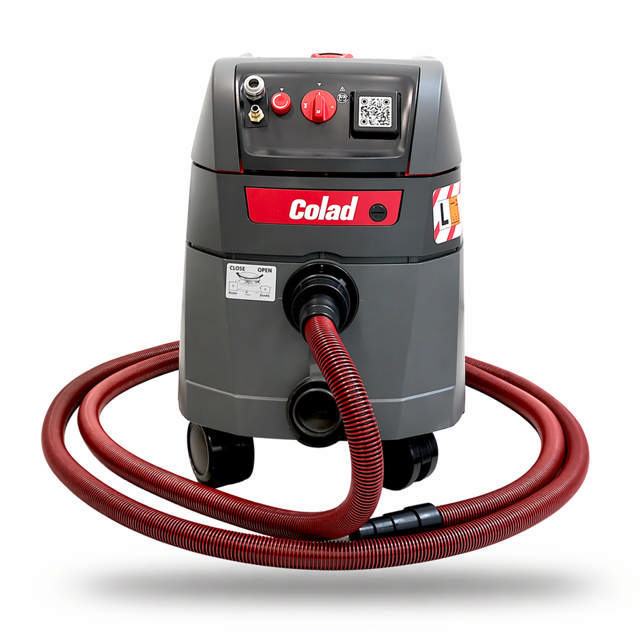
Mobile Vacuum Cleaner CMV 8-M EA/PA
Captures dust at source at the workstation, helping keep the repair area cleaner and lowering recontamination risk during sanding.
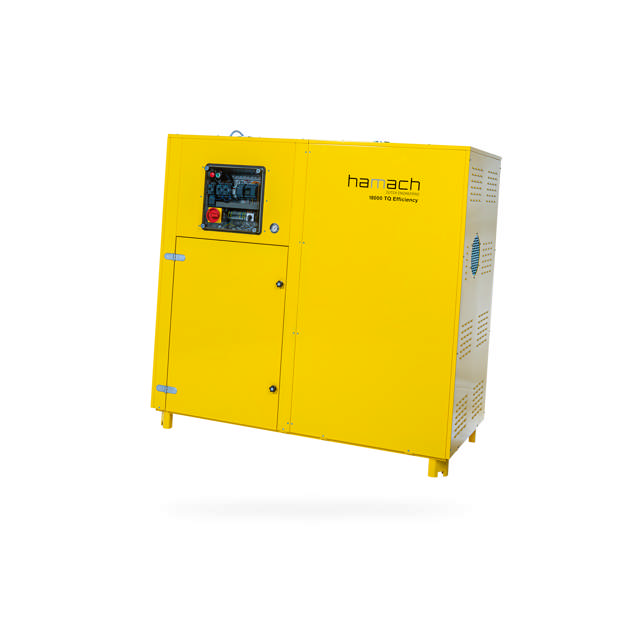
Dust Extraction System HCV 5000 TQ
Provides continuous central extraction across multiple tools and workstations, supporting a stable, high-throughput sanding process.
Poczuj różnicę!
Skontaktuj się z nami lub zamów prezentację już dziś i przekonaj się, jak system dwuetapowy Finixa może zmienić przebieg Twojej pracy.
Not sure where to start? We will help you map the workflow to your current prep, sanding and dust-control process.
Improve another part of your repair process
From surface preparation to final finish, explore connected workflows designed to reduce rework, standardise technique and recover time across the shop.


Workflow Academy: Learn from real bodyshop workflows
Watch practical process demonstrations, sanding techniques and product applications that help technicians work cleaner, faster and with more consistency.