
Reduce Rework Across Every Step of Your Sanding Process
A structured sanding workflow that eliminates contamination, reduces sanding time, and delivers consistent, defect-free results across your shop.
Dust contamination during sanding is one of the biggest hidden causes of rework in bodyshops. This workflow shows you exactly where defects originate — and how to eliminate them at the source.
Dust is costing your bodyshop more than you think
Dust contamination is one of the most underestimated causes of inefficiency in the repair process. It increases rework, affects finish quality, and reduces overall shop capacity.
- Invisible dust particles cause surface defects that only appear after clear coat
- Rework from dust-related issues can cost 2–4 hours per panel
- Across a team, this results in hundreds of lost production hours annually
- Most bodyshops treat dust as unavoidable instead of removing it at the source
With the right sanding workflow, dust can be controlled before it becomes a problem.
Why sanding alone isn't enough
Even with high-quality abrasives, poor surface preparation and uncontrolled dust will compromise the result.
This is not a sanding issue, it's a process control issue.
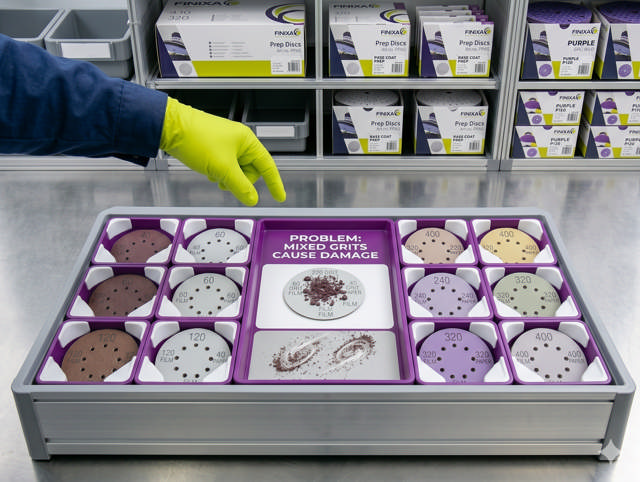
The 3 layers of dust-free sanding
Every defect comes from one of these three layers. Control them, and you control your result.
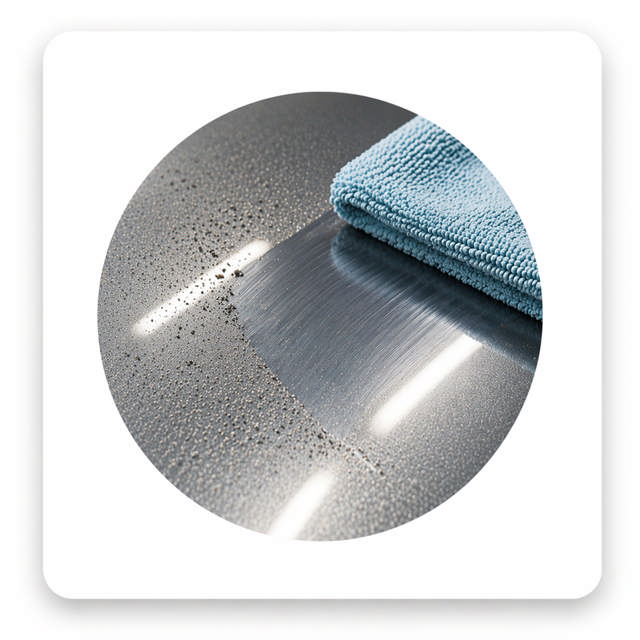
1. Surface preparation
Clean, degrease and neutralize static
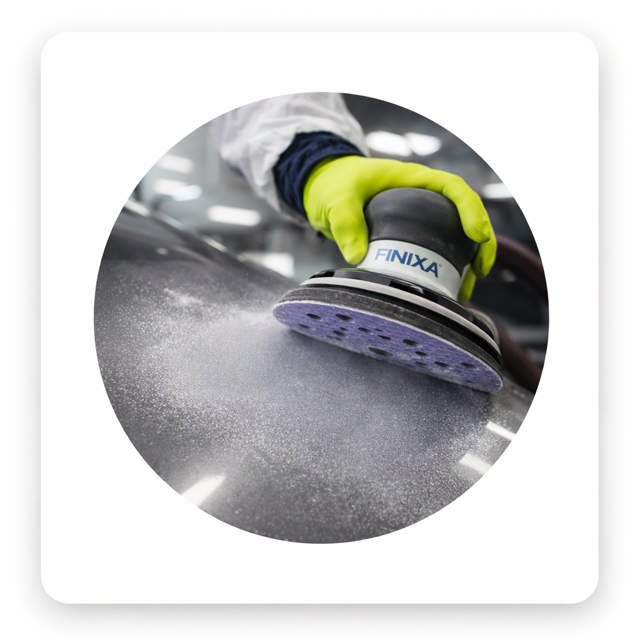
2. Sanding system
Controlled material removal and refinement
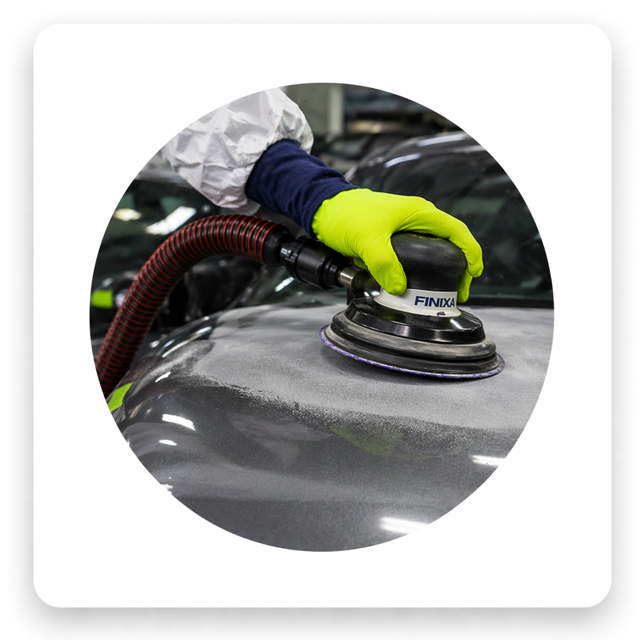
3. Dust extraction
Remove particles at the source
Surface preparation: the hidden key to dust-free sanding.
If the surface isn’t clean and stable, every next step will fail.
Control contamination before sanding begins, not after defects appear. Even the best sanding system cannot compensate for a contaminated surface.
Grease, silicone, and static electricity turn every panel into a dust magnet, increasing defects, rework, and lost time.
- Silicone and grease reduce paint adhesion
- Static charge attracts airborne dust during sanding
- Contamination spreads across the surface during processing
To eliminate rework, the surface must be controlled before sanding starts.
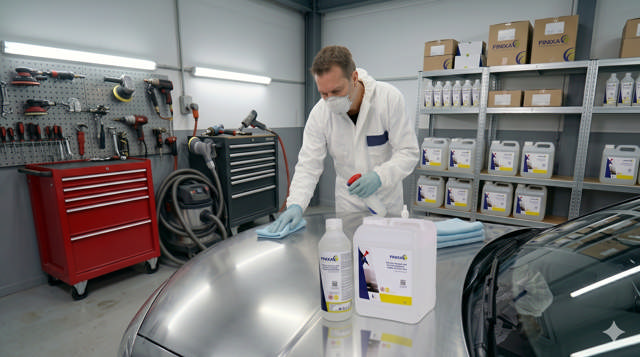
That control starts with one critical step
Clean, degrease, and neutralize static. Before sanding starts, the surface must be fully clean, stable, and free of static charge. This means removing all contaminants and eliminating static charge that attracts dust. A proper preparation step ensures:
- Better sanding performance
- Reduced dust attraction
- Consistent, defect-free finishes
Without this step, even the best sanding system cannot deliver consistent results.
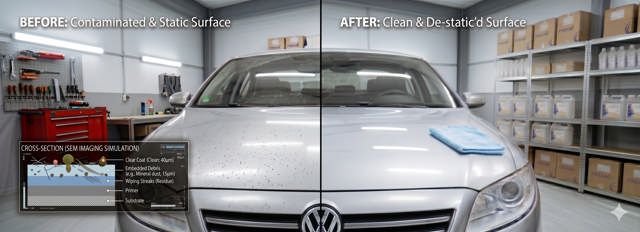

The foundation of every dust-free sanding process
Silicone Remover & Surface Degreaser (DGRHC)
Removes contamination before it turns into costly defects.
- Removes silicone, grease, wax, fingerprints, and sanding residue
- Anti-static formula prevents dust attraction during sanding
- Compatible with all paint systems (waterborne & solvent)
- Leaves no streaks or residues
TAK 20-30 — Anti-static Tack Rags
Final dust removal before coating.
- Removes remaining dust without spreading contamination
- Anti-static — prevents dust from returning
- Leaves no residue — safe for all paint systems
- Ideal for large surfaces and final preparation
Key takeaway
A controlled sanding process doesn’t start with sanding, it starts with a clean, stable, and anti-static surface.
Skip this step, and every next step becomes rework.
The proven dust-free sanding workflow — step by step
Top-performing bodyshops don’t rely on products, they rely on structured workflows.
1. Prepare the surface
Clean the panel using a silicone remover and lint-free cloth, preventing contamination before it becomes defects.
2. Power sanding with SPDI
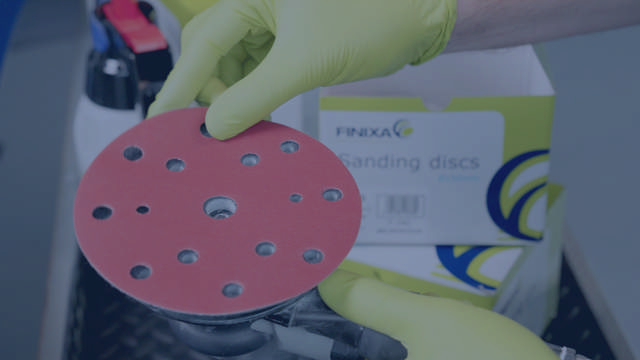
Maximum cutting power with optimized dust extraction. faster material removal with reduced clogging and more consistent results
3. Dust-controlled sanding
Connect your sander to an extraction system, remove particles at the source — before they become defects
4. Refining with PPAS
Multiple sanding steps combined into one pass, reduce process time while improving finish consistency.
5. Final cleaning
Remove residual particles before painting, ensuring a clean, defect-free surface before coating.
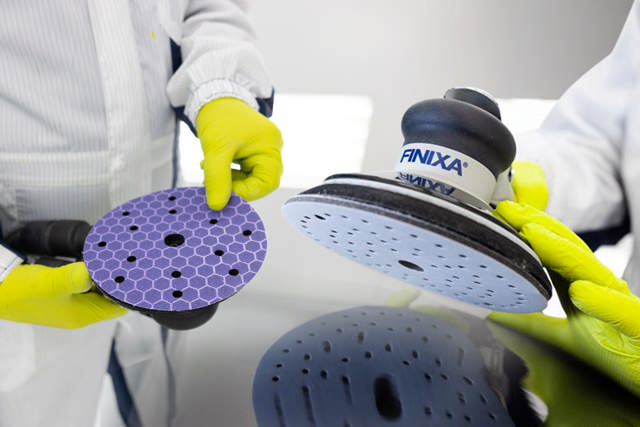
Without a structured workflow, each step breaks down, leading to contamination, rework, and inconsistent results. With it, sanding becomes a controlled, repeatable process.
With it, sanding becomes predictable, controlled, and repeatable.
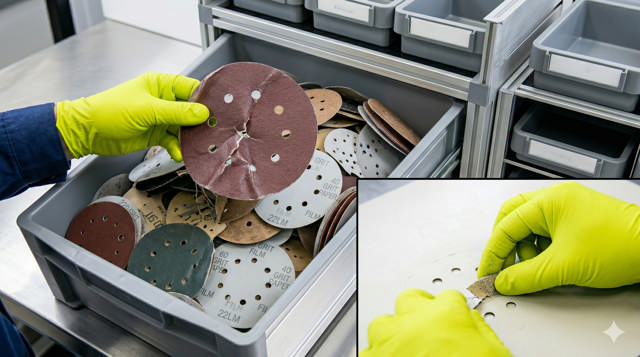
What happens without a controlled sanding workflow
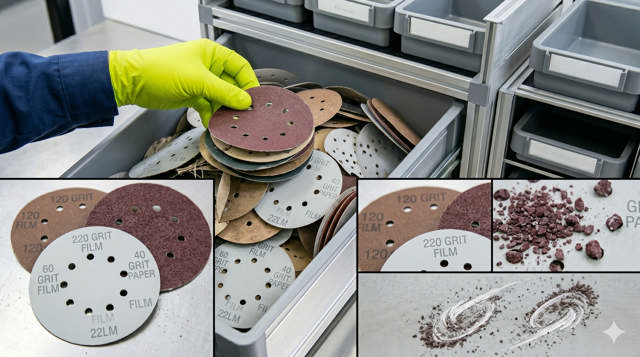
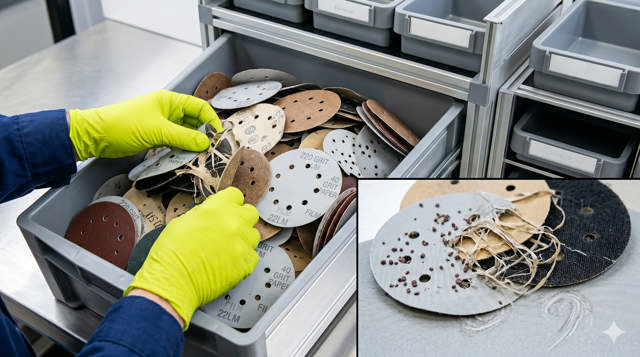
Erleben Sie den Unterschied!
Setzen Sie sich mit uns in Verbindung oder fordern Sie noch heute eine Demo an und entdecken Sie, wie das Finixa 2-Step System Ihren Arbeitsablauf verändern kann.
Remove dust at the source before it becomes defects
Without proper extraction, even the best abrasives and techniques will fail to deliver consistent results.
Sanding doesn’t create defects uncontrolled dust does. Most bodyshops accept dust as part of the process.
In reality, it’s one of the biggest hidden causes of rework, inefficiency, and inconsistent finishes.
In reality, it’s one of the biggest hidden causes of rework, inefficiency, and inconsistent finishes.
• Dust spreads across the panel during sanding — contaminating the entire surface
• Re-contaminates instantly — even after cleaning
• Reduces sanding efficiency and compromises finish quality
High-performance bodyshops don’t manage dust, they eliminate it at the source.
.png&width=640&format=webp)
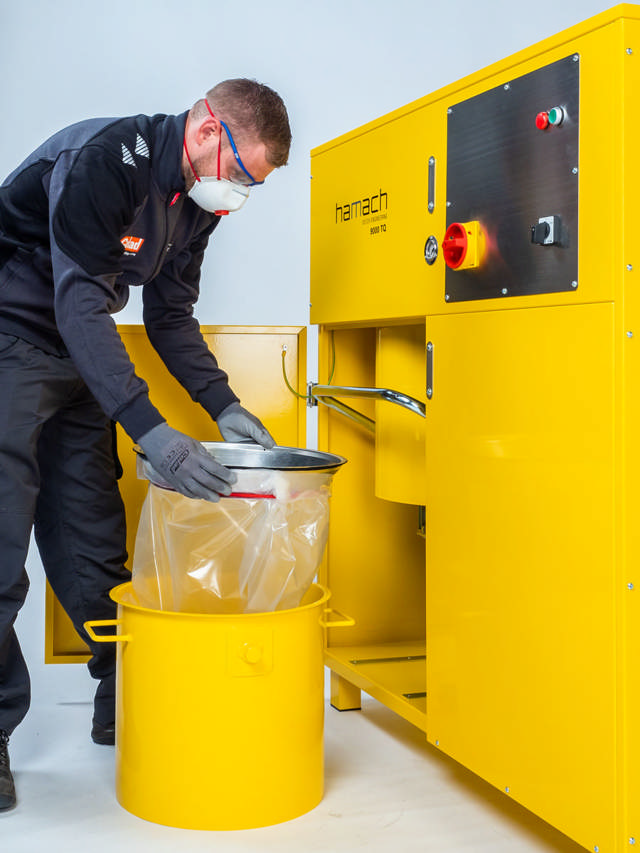
Industrial dust extraction, the backbone of a controlled sanding process
Hamach HCV 5000 TQ: engineered for continuous dust control in high-performance bodyshops
To control sanding, you need more than technique, you need a system that removes dust at the source, continuously and reliably.
Designed to support high-throughput bodyshops where consistency, uptime, and performance are critical.
• Supports multiple sanding tools simultaneously — no performance drop
• Designed for continuous, high-volume operation
• Powerful airflow ensures effective dust removal across the entire workspace
• Automatic filter cleaning maintains consistent suction and uptime
This is not just a machine, it’s infrastructure for a controlled sanding process.
Dust extraction transforms sanding from a variable, error-prone process into a controlled, repeatable system.
See how this workflow eliminates rework in real conditions
See how professional bodyshops apply this workflow in real repair environments, from surface preparation to final finish. Notice the correct sequence, tool setup, and sanding technique that reduce rework, improve consistency, and increase efficiency.
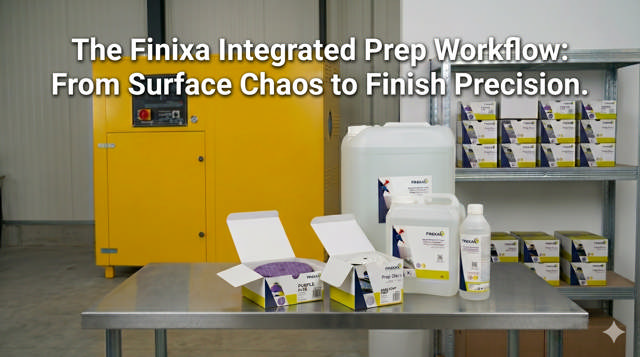
This is what a controlled sanding process looks like in practice. Now the question is how does this translate to your shop?
What inefficient sanding is really costing your shop
Even small inefficiencies quickly add up, costing hundreds of hours, lost capacity, and unnecessary labour costs every year.
The impact of a structured sanding workflow goes beyond finish quality, it directly affects your productivity, labour costs, and overall profitability.
Use the calculator to estimate how much time and cost you can recover by reducing rework and improving efficiency.
Time-saving impact
Estimate how much time you save compared to traditional sanding methods.
Based on Finixa 2-Step System vs. traditional sanding, calculated over 240 working days.
The complete system behind a dust-free sanding process
A dust-free sanding process only works when every component is aligned — abrasives, extraction, and application tools working together as one integrated system. Not as separate products. As one controlled process.
Each component plays a critical role in eliminating rework and ensuring consistent, repeatable results.
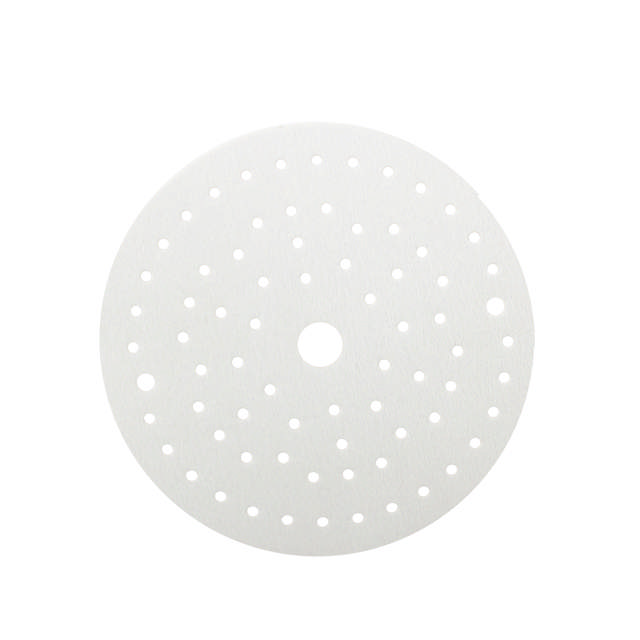
Paint Preparation Abrasive System
Refines the surface and eliminates multiple sanding steps in a single pass, improving finish quality while reducing process time.

Abrasive Purple Discs - Ceramic
Delivers maximum cutting power with optimized dust extraction, enabling fast, controlled material removal with minimal clogging.
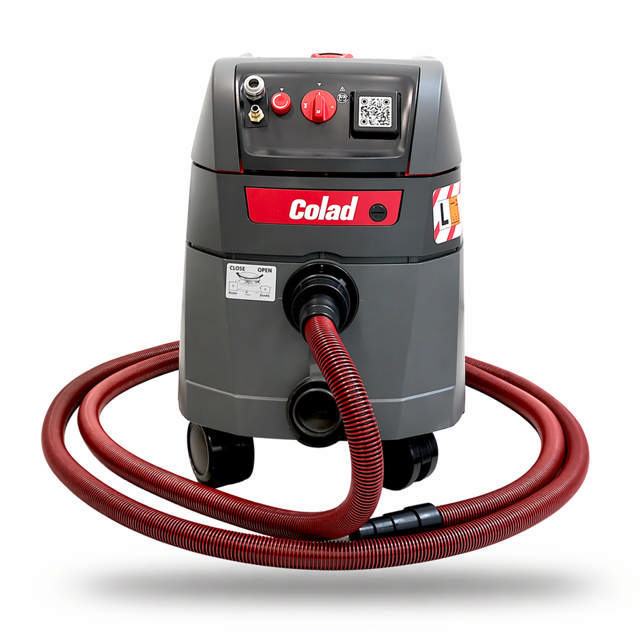
Mobile Vacuum Cleaner CMV 8-M EA/PA
Captures dust directly at the source maintaining a clean working environment and preventing recontamination during sanding.
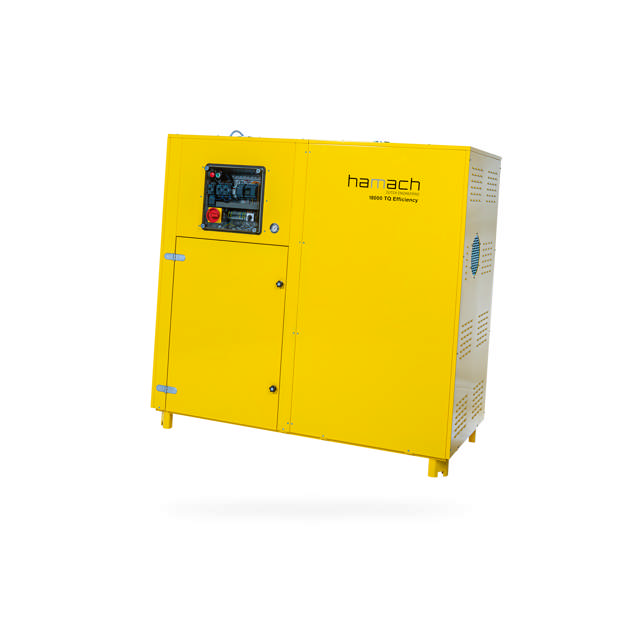
Dust Extraction System HCV 5000 TQ
Provides continuous, high-performance dust extraction across the entire workspace, forming the backbone of a controlled sanding process.
Erleben Sie den Unterschied!
Setzen Sie sich mit uns in Verbindung oder fordern Sie noch heute eine Demo an und entdecken Sie, wie das Finixa 2-Step System Ihren Arbeitsablauf verändern kann.
Not sure where to start? We’ll help you map this workflow to your current process.
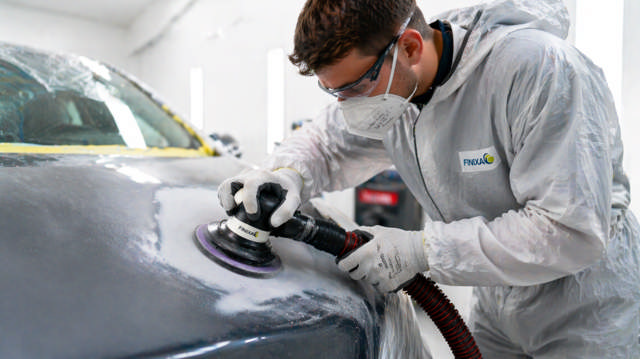
See how professional bodyshops eliminate rework in real workflows
Watch real workflows, techniques, and product applications used by professionals to reduce rework and improve efficiency.


Improve another part of your process
Where else are you losing time, material, or profit? From surface preparation to final finish — discover structured workflows that eliminate rework across every stage.